Wondering what day-to-day life really feels like in Venice Gardens? For many buyers, that question matters just as much as square footage or price. If you want a neighborhood with established homes, local recreation, and easy access to errands, downtown Venice, and the beach scene, Venice Gardens deserves a closer look. Let’s dive in.
Venice Gardens at a Glance
Venice Gardens is a compact, established neighborhood area in southern Sarasota County. It is bounded by Center Road, U.S. 41, Briarwood Road, and Bal Harbour Drive, and the county neighborhood plan describes it as about 627 acres.
Current ACS profile data in the research report lists 3,280 residents and 1,656 housing units in Venice Gardens. The same source notes a median age of 52.3 and median household income of $70,811, which helps paint a picture of a mature, established residential area.
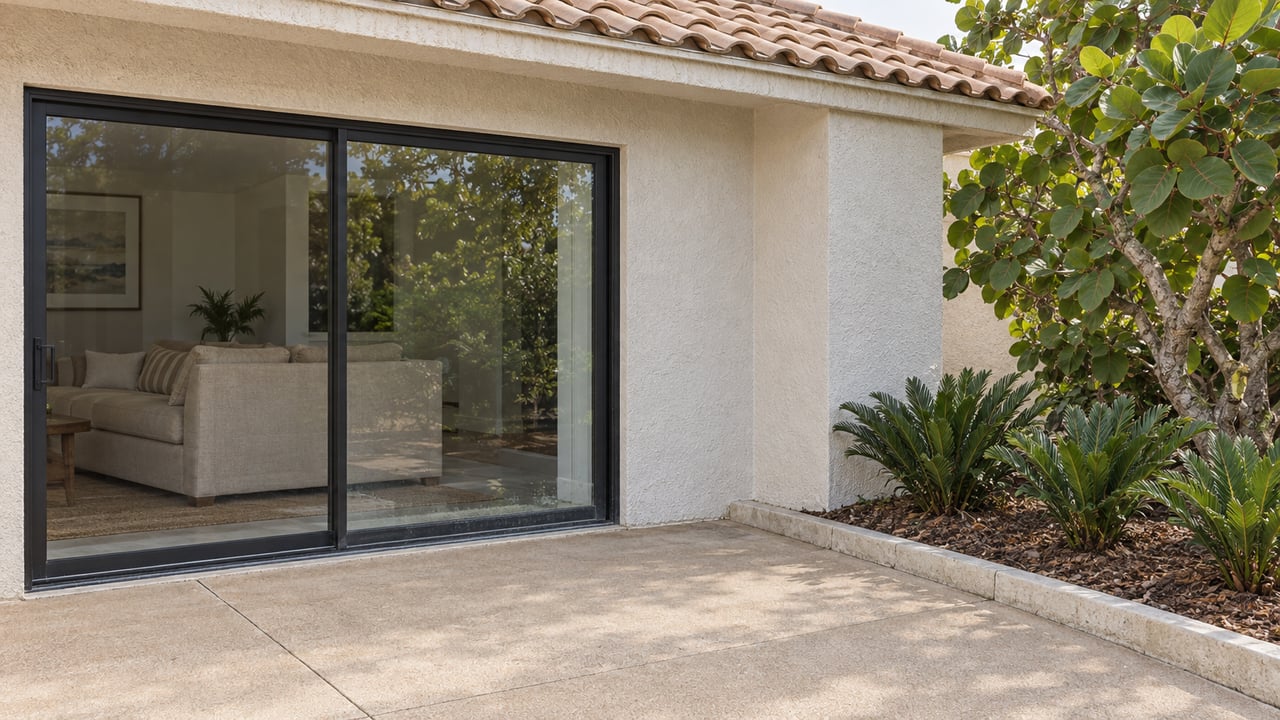
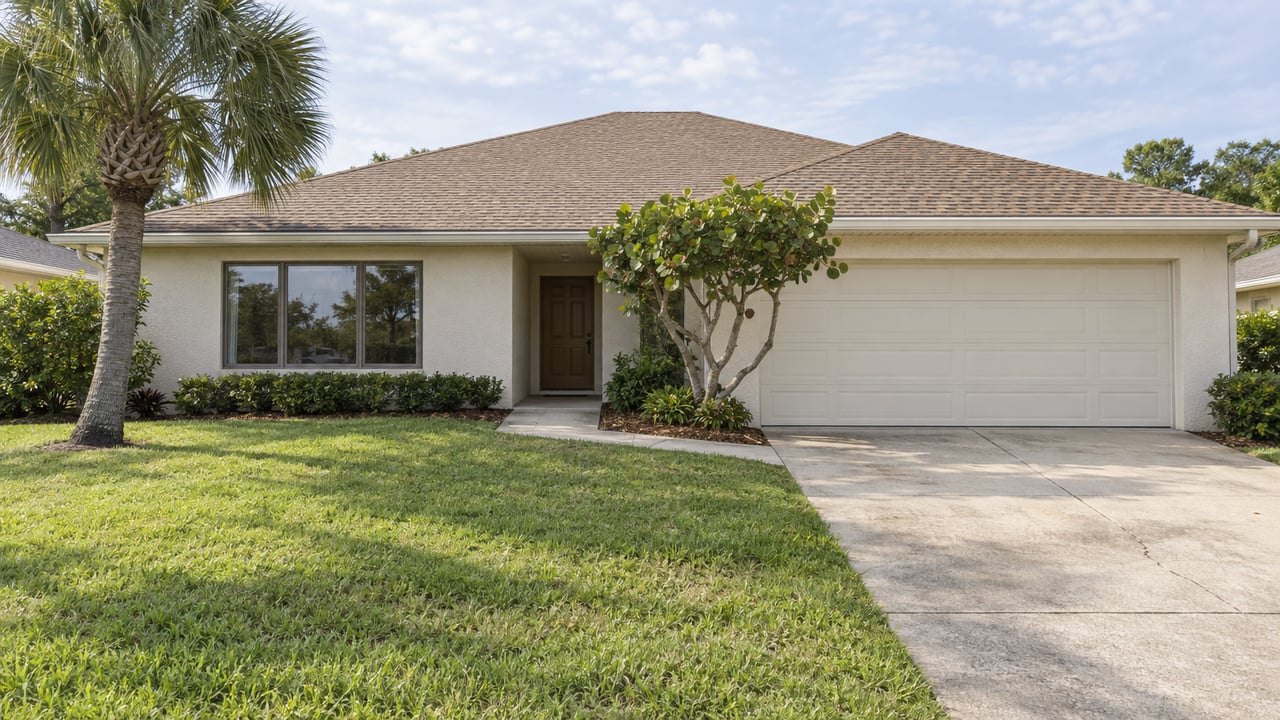
One thing that stands out is the neighborhood’s housing history. Development began in the late 1950s and continued through the 1960s and 1970s, with an average year of home construction of 1969. The county plan also notes that homes are mostly concrete block construction.
Why Venice Gardens Feels Established
If you prefer neighborhoods with a settled, lived-in feel, Venice Gardens may appeal to you. The county neighborhood plan reported a high owner-occupancy rate of 87.6% and a small share of seasonal-use homes at 3%.
That does not tell you who your neighbors are, but it does suggest a place where many homes are used as primary residences. In everyday terms, Venice Gardens often comes across as more rooted than transient.
For buyers, that can translate into a sense of consistency. For sellers, it helps explain why the neighborhood often attracts people who want practical living and a familiar local rhythm.
Parks and Pool Life in Venice Gardens
A big part of everyday living here revolves around simple, accessible amenities. Venice Gardens has both a county park and a civic association space centered on recreation and community gathering.
The Venice Gardens Civic Association is located at 406 Shamrock Blvd. and includes a community pool and community center. According to the current activity calendar cited in the research report, offerings include exercise classes, water aerobics, swim lessons, line dancing, craft and vendor sales, potlucks, and other social events.
That matters because neighborhood amenities are not only about what is on a map. They also shape how easy it is to build routines, meet people, and stay active close to home.
Venice Gardens Park amenities
Sarasota County’s Venice Gardens Park is at 400 Shamrock Blvd. The county lists the park as open from 6:00 a.m. to sunset.
Current county amenities include:
- Dog-friendly multi-purpose field
- Picnic shelter and pavilion
- Playground
- Unpaved trail
The older neighborhood plan adds more context, describing a county-owned park behind the clubhouse with open space, picnic shelters, horseshoe courts, and a shell trail around the playground. Put together, those details reinforce that green space and low-key outdoor recreation are part of the neighborhood’s everyday character.
Convenience for Errands and Dining
Venice Gardens works well for people who want to keep daily life simple. A lot of that convenience comes from the neighborhood’s location along U.S. 41, where the county plan notes commercial, office, and professional uses.
In practical terms, that means you are not tucked away far from the basics. Whether you are running errands, heading to appointments, or looking for nearby services, the location supports a straightforward routine.
This is one reason Venice Gardens often appeals to buyers who want an established residential setting without feeling disconnected from the rest of Venice. You get a neighborhood setting, but you are still tied into one of the city’s key commercial corridors.
Downtown Venice Is Part of the Routine
Another lifestyle advantage is access to downtown Venice. The city and local tourism sources describe downtown as a compact shopping and dining district with boutiques, restaurants, bars, sweet treats, services, Centennial Park, and the Saturday farmers market.
The city also notes free parking in Centennial Park and free street parking in the district. That may sound like a small detail, but easy parking can make a big difference when you want a casual lunch, an evening out, or a quick stop downtown.
Venice MainStreet describes downtown as the city’s historic core. West Venice Avenue alone is described as having more than a dozen dining options and more than forty shops and boutiques.
Why this matters for daily living
You do not have to live in the middle of downtown to enjoy it regularly. One of the practical benefits of Venice Gardens is that it functions as a convenient home base for everyday errands while still giving you access to a true downtown district when you want more activity.
For many buyers, that balance is the sweet spot. You can enjoy a quieter home setting, then head into downtown Venice for restaurants, shopping, events, or the farmers market without making it a major production.
Beach and Trail Access Adds Flexibility
Venice’s coastal identity is part of the broader appeal of living in this area. Official city sources say Venice offers 14 miles of Gulf beaches, and Venice Beach is a Certified Blue Wave Beach.
The same sources note that downtown Venice is less than a mile from the beach. That gives you helpful context for how beach time can fit into your routine when you live in the Venice area.
If you enjoy outdoor recreation beyond the shoreline, the city also highlights the Legacy Trail and Venetian Waterway Park Trail. Both connect into downtown and support walking and biking.
A practical base for an active lifestyle
Venice Gardens is best understood as a car-friendly, short-hop base for parks, errands, downtown outings, and beach time. That is an inference supported by the neighborhood’s location on U.S. 41 and the compact layout of Venice’s downtown and beach core.
It is not positioned as a beach-adjacent enclave, and that distinction matters. Instead, it offers a more practical, everyday-living setup for buyers who want access to Venice’s amenities without centering their search only on beachfront location.
What Buyers Often Appreciate
Venice Gardens can be especially appealing if your priorities are less about flashy amenities and more about usable, everyday convenience. The neighborhood’s appeal is often tied to function, familiarity, and location.
You may appreciate Venice Gardens if you are looking for:
- An established neighborhood with older homes and mature character
- Nearby park space and recreation options
- Access to a community pool and social activities through the civic association
- Convenient proximity to U.S. 41 services and errands
- Easy access to downtown Venice shopping and dining
- A practical base for enjoying beaches and local trails
For some buyers, that combination feels more livable than a neighborhood that looks good on paper but makes daily routines harder. Venice Gardens stands out because many of its benefits show up in ordinary life.
What Sellers Should Know
If you own a home in Venice Gardens, the lifestyle story matters when you prepare to sell. Buyers are not only evaluating your home itself. They are also looking at how the neighborhood supports their routine.
That means details like the established housing stock, owner-occupied feel, park access, pool opportunities, and proximity to downtown Venice can all help shape buyer interest. In a neighborhood like this, the strongest marketing often connects the property to the ease of living around it.
For sellers, that is where strong local positioning can make a difference. A clear neighborhood-focused strategy helps buyers understand not just what your house is, but what life there can feel like.
The Bottom Line on Venice Gardens
Venice Gardens offers a practical version of the Venice lifestyle. You get an established neighborhood, local park space, community-centered recreation, and a convenient location that keeps errands, downtown outings, and beach access within reach.
If your goal is to find a place where everyday life feels easy and connected, Venice Gardens is worth serious consideration. It is not about being the flashiest option. It is about having the kind of location and neighborhood structure that can make daily living feel simpler.
If you are thinking about buying or selling in Venice Gardens, Nick Wikoff can help you understand how this neighborhood fits your goals and what today’s market may mean for your next move.
FAQs
What is Venice Gardens in Venice, Florida like for everyday living?
- Venice Gardens is an established neighborhood area with mostly single-family homes, local park access, a community pool and center through the civic association, and convenient access to U.S. 41, downtown Venice, and area recreation.
What parks and recreation options are available in Venice Gardens?
- Venice Gardens Park includes a dog-friendly multi-purpose field, picnic shelter and pavilion, playground, and an unpaved trail, while the Venice Gardens Civic Association offers a pool, classes, swim activities, and social events.
How close is Venice Gardens to downtown Venice attractions?
- The research report shows that Venice Gardens is well positioned for access to downtown Venice, where you will find shops, restaurants, Centennial Park, and the Saturday farmers market.
What types of homes are common in Venice Gardens?
- According to the county neighborhood plan in the research report, development began in the late 1950s and continued through the 1960s and 1970s, with most homes built of concrete block construction.
Is Venice Gardens a good option for buyers who want convenience in Venice, FL?
- Venice Gardens may appeal to buyers who want an established residential setting with nearby errands, park amenities, downtown access, and a practical starting point for enjoying Venice beaches and trails.