If you are selling a waterfront home in Osprey, it is easy to assume the water will do all the work. In reality, waterfront homes draw more attention, more questions, and often more scrutiny from buyers. The good news is that when you prepare the property the right way, price it with the right evidence, and market it honestly and beautifully, you can put yourself in a much stronger position. Let’s dive in.
Understand Osprey’s current market
Before you list, it helps to know what kind of market you are stepping into. Osprey is not moving like a fast-paced seller’s market right now. Recent market data shows a median listing price of $780,000, a median of 98 days on market, and a sale-to-list price ratio of 96%.
That matters because waterfront alone does not guarantee a quick sale or a full-price offer. Buyers still compare options, negotiate, and look closely at condition, location, and risk factors. A strong sale starts with treating your home like a premium asset that needs a clear strategy.
Step 1: Identify your true waterfront value
The first step is understanding what actually creates value in a waterfront property. It is not just your square footage, bedroom count, or recent updates. Buyers also care about the water view, access to the water, shoreline shape, frontage, elevation, and exposure.
For example, two homes may have similar interiors but very different value if one has a better view corridor, more usable water frontage, or easier boating access. Slope, erosion exposure, and differences in high and low water can also affect how buyers see the property. In short, not all waterfront is equal.
Why generic comps can miss the mark
One of the biggest pricing mistakes sellers make is comparing their home to nearby homes that are similar inside but different on the water. A canal-front home, a bay-view home, and a dockable home with deeper water access should not be treated as the same product.
The best comparable sales for your home should reflect the actual water relationship of your property. That means looking beyond neighborhood averages and focusing on homes with similar waterfront characteristics. This is where a waterfront-specific valuation approach can make a real difference.
Step 2: Check flood zone details early
Flood risk is part of the conversation for any waterfront sale in Sarasota County. Sarasota County notes that FEMA issued new flood maps on March 27, 2024, and those maps can affect both insurance requirements and premiums.
Special Flood Hazard Areas include Zones A, AE, AH, AO, and VE. If your home is in one of those zones and has a federally backed mortgage, flood insurance is required. Even if your property is in Zone X, Sarasota County still states that all properties in the county carry some level of flood risk.
Why this matters before listing
You do not want flood questions to become a last-minute surprise during negotiations. Buyers may ask about the flood zone, past flood history, elevation, drainage, and current insurance costs. If you gather this information early, you can answer with confidence instead of scrambling after an offer comes in.
Sarasota County also notes that homeowners insurance typically does not cover flood damage and that flood insurance policies usually have a 30-day waiting period before taking effect. That makes early planning important for both you and your potential buyer.
Step 3: Prepare disclosures and records
Florida requires sellers to provide a flood disclosure for residential real property at or before contract execution. That disclosure reminds buyers that standard homeowners insurance does not include flood coverage.
This is one reason preparation matters so much with waterfront homes. Buyers expect documentation, and Florida license law also requires disclosure of known facts that materially affect a residential property’s value when those facts are not readily observable.
What to gather before you go live
A cleaner transaction often starts with a better paper trail. Before listing, it helps to organize documents that support your home’s condition, features, and water access.
Consider gathering:
- Flood zone information
- Current survey, if available
- Permit records for shoreline work
- Records for docks, lifts, or seawalls
- Repair and maintenance receipts
- Information about drainage or flood-protection improvements
The goal is simple. When buyers ask questions, you want clear answers backed by records.
Step 4: Verify docks, seawalls, and permit history
Waterfront buyers often pay close attention to shoreline structures and water-access features. In Sarasota County, shoreline stabilization features may involve WNCA permits, and county waterways rules recognize certain authorized or grandfathered water-dependent facilities.
That means your dock, lift, seawall, or other shoreline work should not be treated like a small detail. Buyers may want to know what was permitted, when it was installed, and whether there have been updates or repairs.
Make this part of your pre-list checklist
Before your home hits the market, verify what records you have for:
- Docks
- Boat lifts
- Seawalls
- Shoreline stabilization work
- Other water-access improvements
If records are incomplete, it is still better to identify that early. Surprises found during due diligence can slow a sale, reduce buyer confidence, or affect negotiations.
Step 5: Fix the issues buyers will notice
Waterfront homes sell on emotion, but buyers still evaluate them with a critical eye. Because Sarasota County is susceptible to coastal, riverine, and urban flooding from heavy rains, tropical storms, hurricanes, and storm surge, practical condition details matter.
A pre-list review should include visible flood-protection features, drainage, and the elevation of utilities where relevant. Buyers may not be experts, but they will notice deferred maintenance, water wear, worn exterior surfaces, and shoreline areas that look neglected.
Focus on confidence, not perfection
You do not need to make every update under the sun. What you do need is a home that feels cared for, functional, and ready for the market.
Start with the items most likely to affect a buyer’s comfort level:
- Obvious exterior maintenance
- Drainage concerns
- Damaged dock or seawall components
- Clutter that blocks the view
- Landscaping that hides the shoreline or water access
- Interior and exterior areas that photograph poorly
Small fixes can have a big impact when they help buyers focus on the setting instead of the work ahead.
Step 6: Price with evidence, not hope
In a market where homes are taking about 98 days to sell and closing at 96% of asking on average, pricing discipline matters. Even for waterfront homes, buyers expect the list price to make sense.
A premium price can be justified, but only when the value story is clear. That story should be supported by the right comparable sales, documentation of shoreline features, and a realistic view of the property’s condition and market position.
Build a pricing story buyers can trust
For waterfront homes, pricing should be supported by more than a basic CMA. Buyers often respond better when the list price is backed by visual and factual proof.
That may include:
- Photos showing the true view corridor
- Survey references
- Permit documentation
- Notes on water access and frontage
- Evidence of shoreline improvements
When the pricing story is strong, you reduce the risk of sitting too long on the market and inviting deeper price negotiations later.
Step 7: Stage for the waterfront lifestyle
Waterfront homes are emotional purchases. Buyers are not just buying walls and rooms. They are buying the experience of the view, the outdoor space, and the connection to the water.
That is why staging still matters. In 2025, 83% of buyer’s agents said staging made it easier for buyers to visualize a property as a future home. For a waterfront listing, the goal is usually a calm, uncluttered presentation that lets the setting lead.
What staging should accomplish
Your staging does not need to compete with the water. It should support it.
A good waterfront staging plan should:
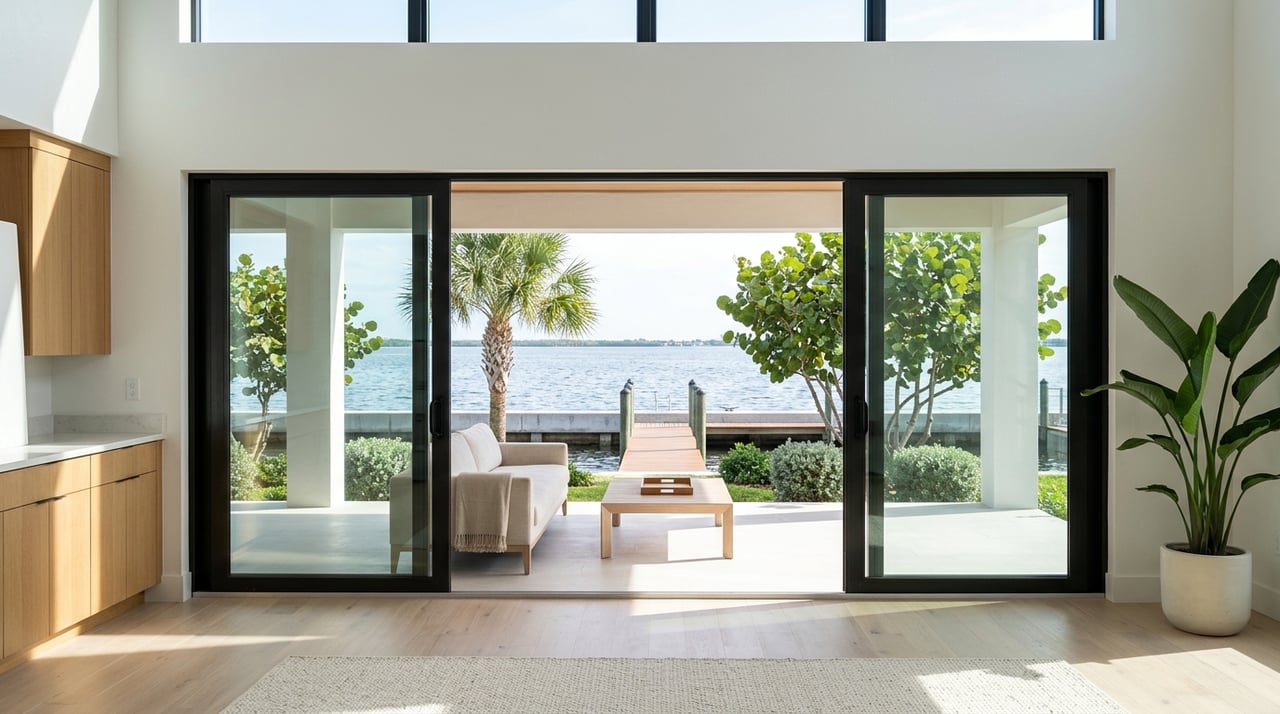
- Open sightlines to the water
- Minimize bulky or distracting furniture
- Highlight indoor-outdoor living areas
- Keep decor neutral and clean
- Help key spaces feel bright and functional
When buyers can picture themselves enjoying the view and lifestyle, the home becomes more memorable.
Step 8: Launch with strong visuals
Most buyers begin online, and visuals carry a huge amount of weight. Recent data shows that 81% of buyers rated listing photos as the most useful feature in their online search, and 52% found the home they purchased online.
For a waterfront home, that makes professional photography and video especially important. The first impression is often the shoreline, the dock, the outdoor living area, and the view from inside the home.
Accuracy matters as much as quality
Premium visuals should never overpromise. Buyers can feel misled when listing photos suggest a better water relationship or a wider view than the property truly offers.
The best approach is simple: make the home look outstanding, but keep it faithful to reality. Show the actual view corridor, the shoreline, and the home’s real connection to the water.
Step 9: Time the launch for momentum
A waterfront listing should not be introduced in pieces. Online visibility matters most right at launch, and early activity can help a listing gain traction.
That is why your rollout should feel coordinated from day one. Instead of slowly posting photos, video, and marketing over several days, it is smarter to launch the listing with a full package ready to go.
What a strong launch can include
A coordinated launch may include:
- MLS listing activation
- Professional photography
- Cinematic video
- Social media promotion
- Email outreach to interested contacts
This kind of rollout helps create a stronger first impression while buyer interest is freshest.
Step 10: Negotiate from a position of preparation
Once offers come in, preparation becomes leverage. Buyers tend to feel more confident when the seller has organized records, clear disclosures, and realistic pricing.
That does not mean every buyer will waive concerns. It does mean fewer avoidable surprises and a smoother path through inspections, insurance questions, and due diligence.
Why waterfront expertise matters
Selling a waterfront home is rarely just about putting it in the MLS. You are balancing valuation, disclosure, flood-zone awareness, shoreline documentation, and visual presentation all at once.
That is why many sellers want an agent who understands waterfront property specifically. The right guidance can help you price more accurately, prepare more thoroughly, and market the home in a way that attracts serious buyers without creating confusion later.
If you are thinking about selling your waterfront home in Osprey, a step-by-step plan can help you protect value and reduce stress from day one. When you are ready for a pricing and marketing strategy built around your property’s actual waterfront features, connect with Nick Wikoff.
FAQs
What makes a waterfront home in Osprey different to price?
- Waterfront pricing depends on more than interior size. Buyers also look at water access, views, frontage, shoreline shape, elevation, and exposure.
What flood information should you check before selling a home in Osprey?
- You should review the current flood zone, possible insurance requirements, and any details that may affect premiums or buyer questions.
What disclosures are required when selling a residential home in Florida?
- Florida requires a seller to provide a flood disclosure to the buyer at or before contract execution, and known material facts affecting value should also be disclosed.
What records should you gather for an Osprey waterfront home sale?
- Helpful records include flood zone information, surveys, permit history, and documents related to docks, lifts, seawalls, repairs, and drainage improvements.
Why do permit records matter for waterfront homes in Sarasota County?
- Buyers may want proof that shoreline features and water-access improvements were properly authorized or documented, which can affect confidence during due diligence.
How should you market a waterfront listing in Osprey?
- Use professional visuals, clear staging, and an honest presentation of the view, shoreline, and outdoor living areas, then launch the marketing in a coordinated way.